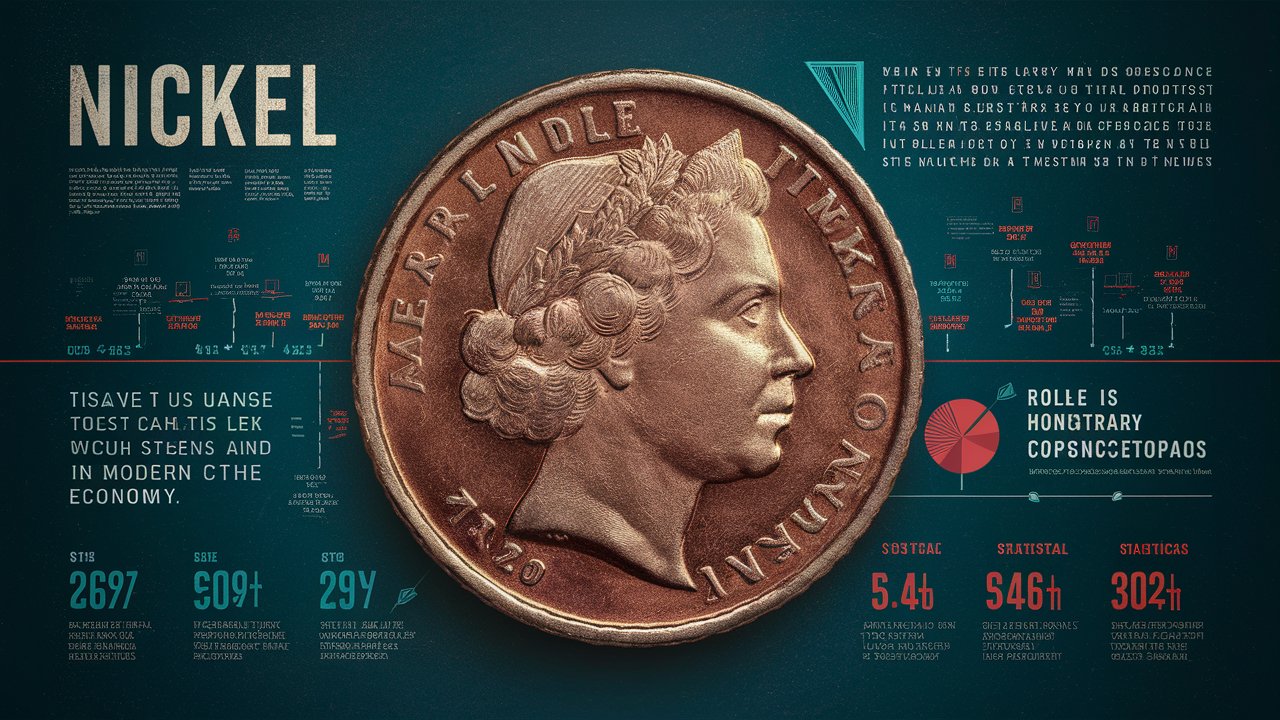
The nickel coin has been an essential part of the monetary system for over a century, representing both economic practicality and historical significance. Known for its durability and distinctive metallic composition, the nickel coin has played a vital role in everyday transactions and coin collecting. From its origins in the 19th century to its continued use in modern economies, the nickel coin reflects the evolution of currency design, metal usage, and national identity.
The Origin and History of the Nickel Coin
The nickel coin was first introduced in the United States in 1866, following the Civil War, as part of a broader effort to stabilize the nation’s currency. Before the nickel, smaller denominations were made primarily of silver, which became scarce during wartime. The introduction of the five-cent nickel coin provided a more practical and affordable alternative. The first design, known as the Shield Nickel, featured a shield on the obverse and a large numeral “5” surrounded by stars on the reverse. Over time, the nickel underwent several redesigns, including the Liberty Head Nickel (1883–1913), the Buffalo Nickel (1913–1938), and the Jefferson Nickel (1938–present). Each design reflects a different era of American history, showcasing the nation’s artistic and cultural evolution.
Composition and Design of the Nickel Coin
Despite its name, the nickel coin is not made entirely of nickel. The modern U.S. nickel consists of 75% copper and 25% nickel, a composition that provides durability and resistance to corrosion. The coin weighs five grams and measures 21.21 millimeters in diameter. The Jefferson Nickel, introduced in 1938, features a portrait of Thomas Jefferson on the obverse and his home, Monticello, on the reverse. During World War II, from 1942 to 1945, the composition temporarily changed to include silver instead of nickel, as nickel was needed for wartime production. These “war nickels” are now highly sought after by collectors due to their unique composition and historical context.
The Economic Role of the Nickel Coin
The nickel coin has long served as a cornerstone of small-scale commerce. It bridges the gap between the penny and the dime, making it essential for everyday transactions. Although inflation has reduced its purchasing power over time, the nickel remains a vital part of the U.S. currency system. It is widely used in vending machines, parking meters, and public transportation systems. The coin’s durability ensures that it can circulate for decades before needing replacement, making it cost-effective for the U.S. Mint to produce. Moreover, the nickel’s consistent presence in circulation symbolizes stability and continuity in the nation’s economy.
Collecting Nickel Coins: A Hobby and Investment
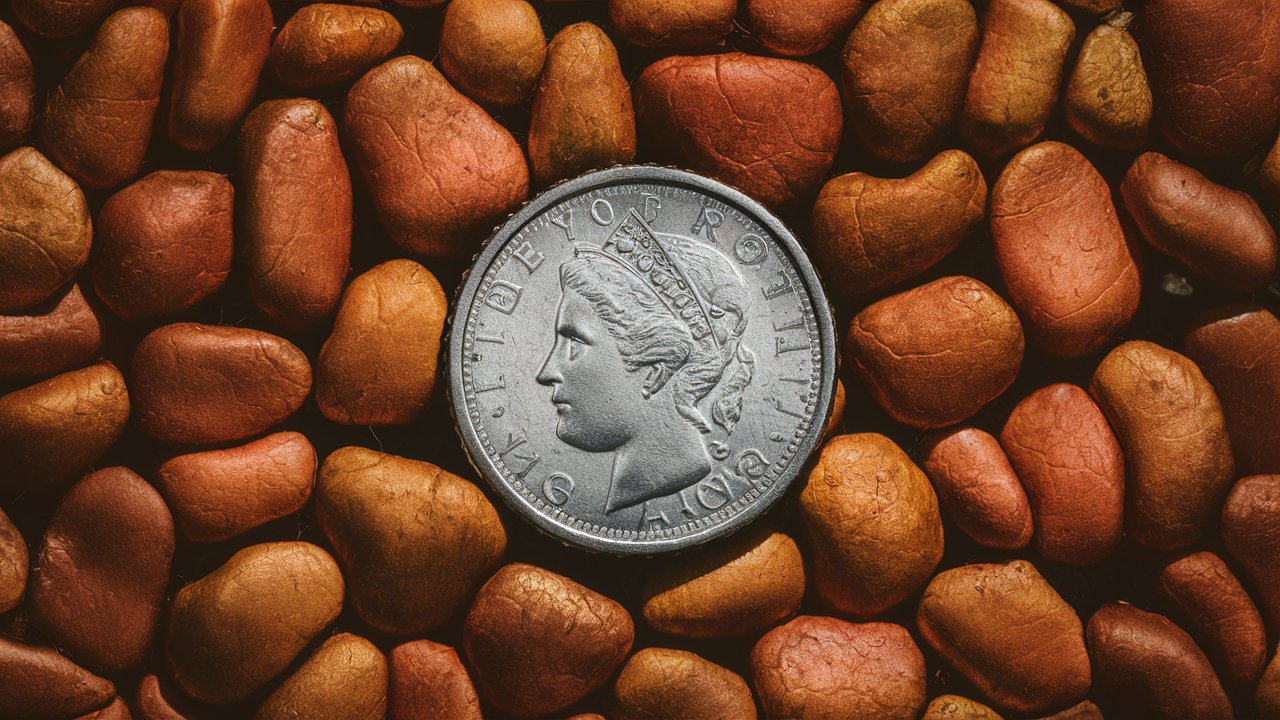
Coin collecting, or numismatics, has turned the nickel coin into more than just a medium of exchange—it has become a valuable collectible. Rare nickels, such as the 1913 Liberty Head Nickel, are among the most famous and expensive coins in the world, with only five known examples. Other collectible nickels include the 1937-D Three-Legged Buffalo Nickel and early Jefferson Nickels with minting errors. Collectors often seek coins with unique features, limited mintages, or historical significance. The condition of the coin, known as its “grade,” also plays a major role in determining its value. Well-preserved nickels with sharp details and minimal wear can fetch high prices at auctions and among private collectors.
The Global Use of Nickel Coins
While the U.S. nickel is the most recognized, many countries around the world use coins made partially or entirely of nickel. Nations such as Canada, the United Kingdom, and Australia have issued nickel-based coins for decades due to the metal’s strength and resistance to tarnish. However, rising metal costs have led some countries to explore alternative materials, such as plated steel or alloys, to reduce production expenses. Despite these changes, the term “nickel” remains synonymous with small-denomination coins in many English-speaking countries, underscoring its global cultural influence.
Environmental and Industrial Importance of Nickel
Beyond its use in coinage, nickel is a critical industrial metal with applications in stainless steel production, batteries, and renewable energy technologies. The growing demand for electric vehicles has increased the need for nickel in lithium-ion batteries, making it a key resource for the green energy transition. This industrial importance has sparked discussions about the future of nickel in coin production, as governments weigh the economic and environmental costs of using the metal for currency. The balance between tradition and sustainability continues to shape the future of the nickel coin.
The Future of the Nickel Coin
As digital payments and contactless transactions become more common, the role of physical coins, including the nickel, is evolving. Some economists argue that low-denomination coins may eventually be phased out due to declining usage and rising production costs. However, many people still value coins for their tangibility, historical significance, and role in teaching financial literacy. The nickel coin, in particular, holds sentimental and cultural value that transcends its monetary worth. Whether as a collectible, a teaching tool, or a symbol of national heritage, the nickel coin remains an enduring part of modern life.
Conclusion
The nickel coin is more than just a piece of metal—it is a reflection of history, economy, and culture. From its introduction in the 19th century to its continued use today, the nickel has adapted to changing times while maintaining its place in everyday transactions. Its durability, design, and historical significance make it a fascinating subject for collectors and historians alike. As the world moves toward digital finance, the nickel coin stands as a reminder of the tangible value of money and the craftsmanship behind every minted piece. Whether viewed as currency or a collectible artifact, the nickel coin continues to hold a special place in the story of modern civilization.
Frequently Asked Questions (FAQ)
1. What is a nickel coin made of?
The modern U.S. nickel coin is composed of 75% copper and 25% nickel, giving it strength and corrosion resistance.
2. When was the first nickel coin introduced?
The first U.S. nickel coin, known as the Shield Nickel, was introduced in 1866.
3. Why is it called a “nickel” if it’s mostly copper?
The coin is named after the nickel metal used in its composition, even though copper makes up the majority of its content.
4. What are the most valuable nickel coins?
The 1913 Liberty Head Nickel and the 1937-D Three-Legged Buffalo Nickel are among the most valuable and rare nickels.
5. How much does a nickel coin weigh?
A standard U.S. nickel weighs five grams.
6. What is the diameter of a nickel coin?
The diameter of a U.S. nickel is 21.21 millimeters.
7. Are wartime nickels different from regular nickels?
Yes, wartime nickels (1942–1945) contained silver instead of nickel due to wartime metal shortages.
8. How long does a nickel coin last in circulation?
A nickel can circulate for up to 30 years or more before it becomes too worn for use.
9. Can nickel coins be collected as an investment?
Yes, rare and well-preserved nickel coins can be valuable collectibles and long-term investments.
10. What is the current value of a nickel coin?
The face value of a nickel is five cents, but collectible nickels can be worth much more depending on rarity and condition.