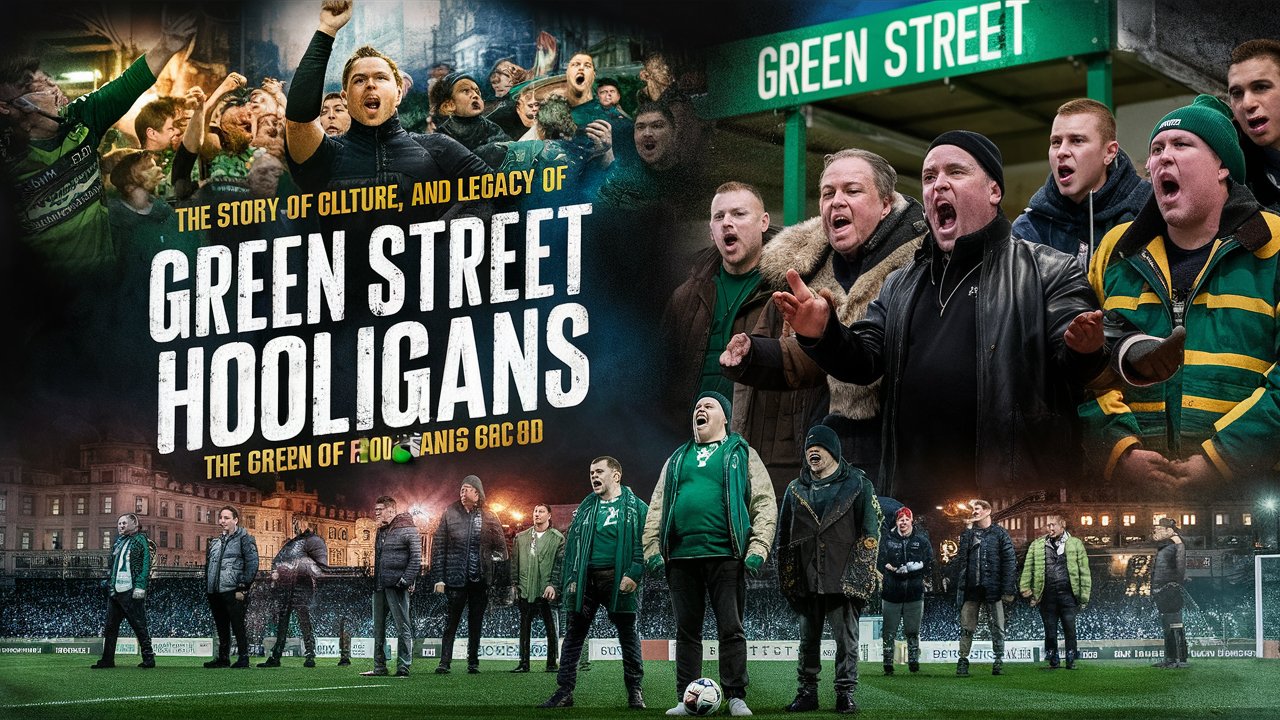
Green Street Football is a phrase that has come to symbolize more than just the sport itself—it represents a raw, emotional, and often controversial side of football culture that was vividly portrayed in the 2005 film Green Street Hooligans. Directed by Lexi Alexander and starring Elijah Wood and Charlie Hunnam, the film delves deep into the underground world of football hooliganism in England, exploring themes of loyalty, identity, and redemption.
While football is celebrated globally for its passion, teamwork, and unity, Green Street Hooligans exposes the darker, more tribal side of fandom—the fierce rivalries and violent clashes that once plagued English football. Yet, beneath the violence lies a story about belonging, friendship, and the unbreakable bond that football can create among its followers.
The Story of Green Street Hooligans
Green Street Hooligans follows the journey of Matt Buckner (played by Elijah Wood), a Harvard journalism student who is expelled after being falsely accused of drug possession. Seeking refuge in London with his sister Shannon and her husband Steve, Matt is introduced to Steve’s younger brother, Pete Dunham (played by Charlie Hunnam). Pete is the charismatic leader of the Green Street Elite (GSE), a notorious football firm associated with West Ham United.
Initially an outsider, Matt is drawn into the world of football hooliganism—a subculture defined by loyalty, violence, and brotherhood. Through his experiences with the GSE, he learns about courage, respect, and the sense of belonging that he had been missing in his life. However, as rivalries intensify, particularly with the Millwall firm known as the Bushwackers, Matt discovers the devastating consequences of this violent lifestyle.
The film’s narrative is both thrilling and emotional, blending intense fight sequences with moments of introspection and moral conflict. It portrays hooliganism not as mere chaos but as a misguided expression of identity and loyalty among working-class men seeking purpose and pride.
Understanding Green Street Football and Hooligan Culture
The term “Green Street football” has become synonymous with the gritty, underground world of football hooliganism depicted in the film. It represents a subculture that emerged in England during the 1960s and 1970s, when groups of passionate fans—known as “firms”—began organizing themselves around football clubs. These firms often engaged in violent confrontations with rival supporters, both inside and outside stadiums.
In the context of Green Street Hooligans, Green Street refers to the area near West Ham United’s former home ground, Upton Park, located on Green Street in East London. The film captures the intensity of this culture, where loyalty to one’s club and firm often outweighed everything else. For many young men, joining a firm provided a sense of belonging and respect that they couldn’t find elsewhere.
The Characters and Their Symbolism
The characters in Green Street Hooligans are central to understanding the emotional depth of the story and the culture it portrays.
Matt Buckner represents the outsider’s perspective—a young man from a privileged background who finds meaning and brotherhood in an unexpected place. His transformation from a timid student to a loyal member of the GSE symbolizes the universal human need for acceptance and identity.
Pete Dunham, the leader of the GSE, embodies the charisma and contradictions of hooligan culture. He is intelligent, passionate, and fiercely loyal, yet trapped in a cycle of violence that ultimately leads to tragedy. Pete’s character highlights the duality of hooliganism—its sense of honor and its destructive consequences.
Bovver, another key member of the GSE, represents jealousy and insecurity within the firm. His internal conflict and eventual betrayal underscore the fragile balance between loyalty and ego in such tight-knit groups.
Together, these characters illustrate the emotional complexity of Green Street football—a world where friendship and violence coexist, and where loyalty can both unite and destroy.
The Impact of Green Street Hooligans on Football Culture
It shed light on a subculture that many outside the UK knew little about, offering a humanized perspective on individuals often dismissed as mere troublemakers. While some critics argued that it glamorized violence, others saw it as a cautionary tale about the dangers of blind loyalty and aggression.
In the years following its release, Green Street Hooligans became a cult classic, inspiring sequels and influencing other films and documentaries about football firms. It also contributed to the global fascination with English football culture, helping to shape the way fans around the world perceive the sport’s passionate following.
The Legacy of Green Street Football
The legacy of Green Street Hooligans extends beyond cinema—it has become part of football folklore. The film’s depiction of loyalty, pride, and community continues to resonate with fans who see football as more than just a game. It captures the emotional intensity that drives supporters to stand by their clubs through triumph and defeat.
In modern football, hooliganism has largely declined due to stricter laws, improved stadium security, and changing social attitudes. However, the spirit of camaraderie and loyalty that defined the Green Street era still exists in the passionate chants, rivalries, and traditions that make football unique.
The film also serves as a reminder of how sport can reflect broader social issues—class divisions, identity struggles, and the search for belonging. It challenges viewers to look beyond the violence and see the humanity within the culture it portrays.
Conclusion
Green Street Hooligans remains one of the most powerful films ever made about football culture. Through its portrayal of Green Street football, it explores the fine line between passion and obsession, loyalty and violence, friendship and betrayal. The film’s enduring popularity lies in its ability to capture the raw emotion that defines football fandom—the sense of belonging, pride, and unity that transcends the game itself. While the days of organized hooliganism have faded, the legacy of Green Street football lives on as a symbol of loyalty, identity, and the unbreakable bond between fans and their clubs. It reminds us that football is not just a sport—it’s a way of life, a community, and for many, a family.
FAQs
1. What is Green Street football?
Green Street football refers to the culture of football hooliganism and loyalty depicted in the film Green Street Hooligans, centered around West Ham United’s fictional firm, the Green Street Elite.
2. Is Green Street Hooligans based on a true story?
While the film’s characters and events are fictional, they are inspired by real-life football firms such as West Ham’s Inter City Firm and the broader hooligan culture in England.
3. What message does Green Street Hooligans convey?
The film highlights themes of loyalty, identity, and belonging while also serving as a cautionary tale about the destructive nature of violence and blind allegiance.
4. How did Green Street Hooligans impact football culture?
The film brought global attention to the phenomenon of football hooliganism, sparking discussions about fan behavior, loyalty, and the social factors behind the culture.
5. What is the legacy of Green Street football today?
Although hooliganism has declined, the film’s legacy endures as a cultural touchstone that celebrates the passion, unity, and emotional depth of football fandom.