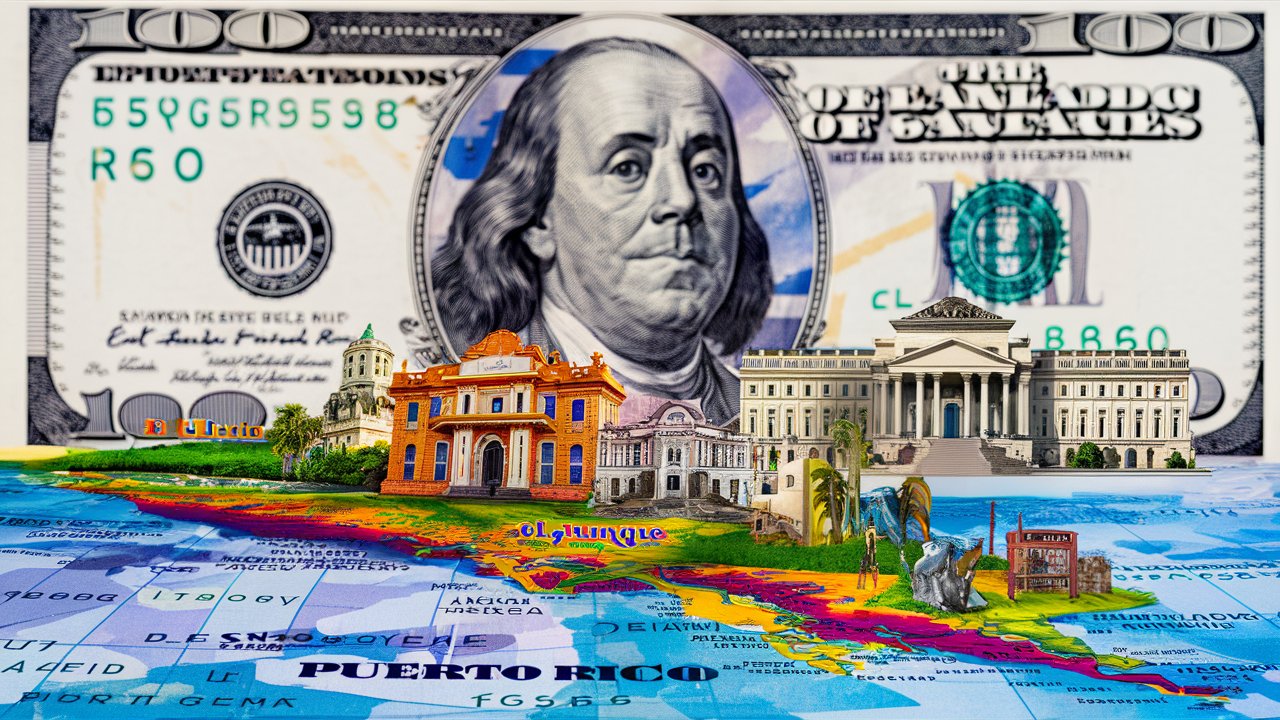
Puerto Rico, a vibrant Caribbean island known for its tropical beauty and rich culture, often raises questions among travelers and investors about its currency system. As a U.S. territory, Puerto Rico uses the U.S. dollar as its official currency, but many visitors still wonder how this impacts daily life, tourism, and the local economy. Understanding how the U.S. currency functions in Puerto Rico is essential for anyone planning to visit, invest, or conduct business on the island.
1. Does Puerto Rico Use U.S. Currency?
Yes, Puerto Rico uses the U.S. dollar as its official currency. Since becoming a U.S. territory in 1898, the island has fully integrated the dollar into its financial system. This means that all transactions, from buying groceries to paying for hotel stays, are conducted in U.S. dollars. There is no need for currency exchange when traveling from the mainland United States to Puerto Rico, making it convenient for American tourists and businesses. The use of the U.S. dollar also provides economic stability and simplifies trade with the mainland.
2. The History of U.S. Currency in Puerto Rico
Before the U.S. acquired Puerto Rico, the island used the Puerto Rican peso, which was later replaced by the U.S. dollar in 1899. The transition was part of the broader economic integration following the Spanish-American War. Over time, the dollar became deeply embedded in Puerto Rico’s economy, aligning the island’s financial system with that of the mainland United States. This historical shift not only stabilized the local economy but also strengthened Puerto Rico’s ties to the U.S. financial infrastructure, including banking, taxation, and trade.
3. How the U.S. Dollar Impacts Puerto Rico’s Economy
The use of the U.S. dollar in Puerto Rico has both advantages and challenges. On the positive side, it eliminates exchange rate risks and encourages investment from U.S. companies. It also simplifies trade and tourism, as visitors from the mainland can use their money without conversion fees. However, Puerto Rico does not have control over its monetary policy, meaning it cannot print money or adjust interest rates independently. This limitation can make it harder for the island to respond to economic crises. Despite this, the dollar remains a symbol of financial stability and trust for both residents and investors.
4. Currency and Travel: What Tourists Should Know
For travelers, using U.S. currency in Puerto Rico is straightforward. Credit cards, debit cards, and mobile payment apps are widely accepted across the island, especially in urban areas like San Juan. ATMs are easily accessible, and cash is still useful for small purchases, local markets, and rural areas. Since Puerto Rico is a U.S. territory, there are no foreign transaction fees for U.S. bank cards, which makes spending convenient. Tipping customs are similar to those in the mainland United States, with 15–20% being standard in restaurants and service industries.
5. Banking and Financial Services in Puerto Rico
Puerto Rico’s banking system operates under U.S. federal regulations, ensuring security and consistency with mainland standards. Major U.S. banks such as Banco Popular, FirstBank, and Oriental Bank dominate the financial landscape. Residents and businesses can open accounts, apply for loans, and use credit cards just as they would in any U.S. state. The island also benefits from FDIC insurance, which protects deposits up to the same limits as in the mainland. This integration provides confidence to both local and international investors.
6. The Role of the U.S. Dollar in Puerto Rico’s Tourism Industry
Tourism is one of Puerto Rico’s most vital economic sectors, and the use of the U.S. dollar plays a major role in attracting visitors. American tourists, who make up the majority of visitors, appreciate the convenience of not having to exchange currency. This ease of spending encourages more travel and boosts local businesses. Hotels, restaurants, and tour operators all price their services in dollars, making budgeting simple for travelers. The shared currency also helps Puerto Rico market itself as a familiar yet exotic destination for U.S. citizens.
7. Comparing Puerto Rico’s Currency System to Other Caribbean Islands
Unlike many Caribbean nations that use their own currencies or the Eastern Caribbean dollar, Puerto Rico’s use of the U.S. dollar sets it apart. This distinction gives the island a competitive advantage in attracting American tourists and investors. While other islands face exchange rate fluctuations and conversion costs, Puerto Rico enjoys a stable and predictable financial environment. This stability also makes it easier for businesses to operate across borders and for residents to engage in e-commerce with U.S. companies.
8. Future Outlook: The U.S. Dollar and Puerto Rico’s Economic Growth
The continued use of the U.S. dollar in Puerto Rico is expected to remain unchanged. As discussions about Puerto Rico’s political status continue—whether statehood, independence, or enhanced commonwealth—the dollar remains a cornerstone of its economy. The island’s reliance on U.S. currency ensures integration with the mainland’s financial systems, which supports trade, tourism, and investment. However, economic growth will depend on broader reforms in infrastructure, education, and governance, rather than currency changes.
Conclusion
Puerto Rico’s use of the U.S. dollar is more than a matter of convenience—it is a reflection of its deep economic and political ties to the United States. The dollar provides stability, simplifies travel, and supports business operations across the island. For tourists, it eliminates the hassle of currency exchange, while for investors, it offers a secure and familiar financial environment. Understanding how the U.S. currency functions in Puerto Rico helps travelers and businesses make informed decisions and appreciate the island’s unique position as a bridge between the Caribbean and the United States.
FAQs
1. What is the official currency of Puerto Rico?
The official currency of Puerto Rico is the U.S. dollar (USD).
2. Do I need to exchange money when traveling from the U.S. to Puerto Rico?
No, travelers from the mainland United States do not need to exchange money since Puerto Rico uses the same currency.
3. Are credit cards widely accepted in Puerto Rico?
Yes, major credit cards are accepted almost everywhere, including hotels, restaurants, and shops.
4. Can I use mobile payment apps in Puerto Rico?
Yes, mobile payment apps like Apple Pay, Google Pay, and PayPal are commonly used across the island.
5. Does Puerto Rico have its own central bank?
No, Puerto Rico does not have a central bank. It operates under the U.S. Federal Reserve System.
6. Are prices in Puerto Rico similar to those in the mainland U.S.?
Prices can vary, but in general, they are comparable to those in the mainland, with some goods being slightly more expensive due to import costs.
7. Is tipping expected in Puerto Rico?
Yes, tipping customs are similar to those in the mainland United States, typically 15–20% in restaurants and for services.