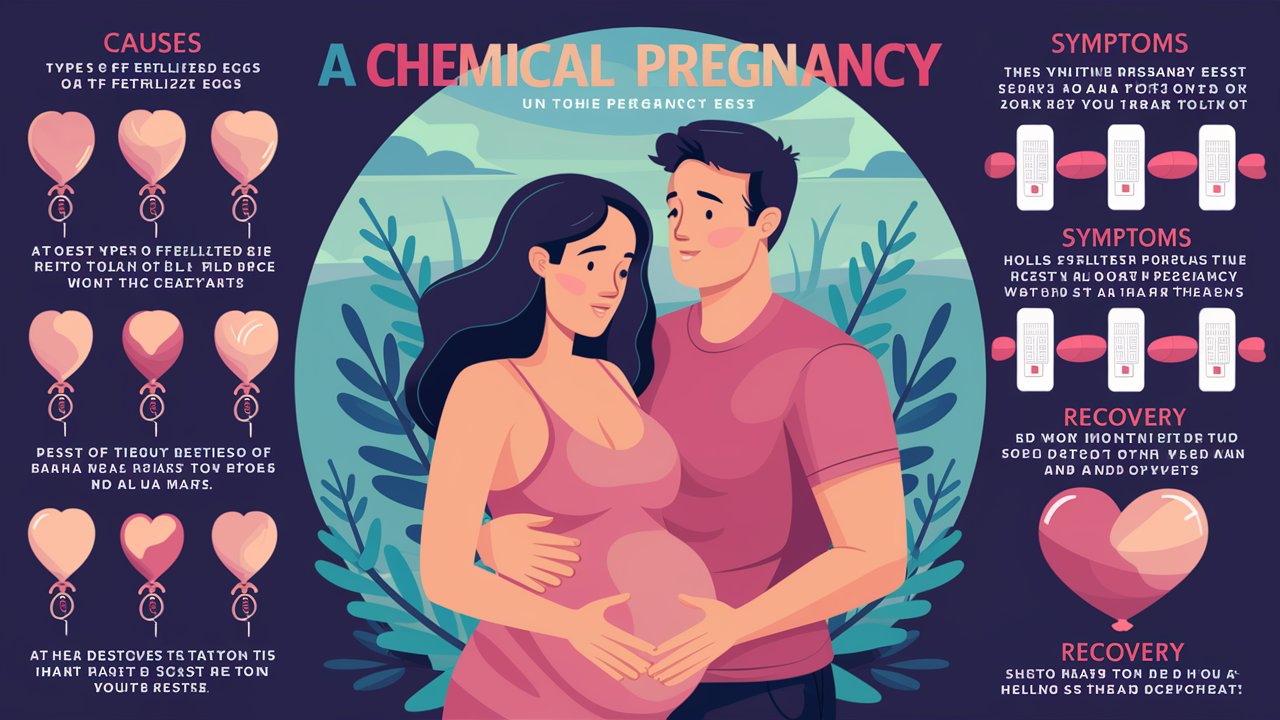
A chemical pregnancy is a very early miscarriage that occurs shortly after implantation, often before a woman even realizes she is pregnant. It is called a chemical pregnancy because it can only be detected through a blood or urine test that measures the hormone human chorionic gonadotropin (hCG). In most cases, a chemical pregnancy happens within the first five weeks of conception, and many women may mistake it for a slightly delayed or heavier menstrual period. Although it can be emotionally distressing, a chemical pregnancy is quite common and usually does not indicate a long-term fertility problem.
What Is a Chemical Pregnancy?
A chemical pregnancy occurs when a fertilized egg implants in the uterus but fails to develop properly. The body begins to produce hCG, the hormone that indicates pregnancy, but the embryo stops growing before it can be detected on an ultrasound. Because the pregnancy ends so early, most women experience what seems like a normal menstrual period, often just a few days late. In many cases, the only sign of a chemical pregnancy is a positive pregnancy test followed by a negative one a few days later. Although it can be disappointing, a chemical pregnancy is a sign that conception occurred, which means that fertilization and implantation are possible.
Causes of Chemical Pregnancy
There are several potential causes of a chemical pregnancy, most of which are related to chromosomal abnormalities in the embryo. When an egg or sperm carries an incorrect number of chromosomes, the resulting embryo cannot develop normally, leading to an early miscarriage. Other possible causes include hormonal imbalances, uterine abnormalities, infections, or issues with the uterine lining that prevent proper implantation. Age can also be a factor, as the risk of chromosomal abnormalities increases with maternal age. In some cases, lifestyle factors such as smoking, excessive alcohol consumption, or exposure to environmental toxins may contribute to early pregnancy loss.
Symptoms of a Chemical Pregnancy
The symptoms of a chemical pregnancy can be subtle and easily mistaken for a normal menstrual cycle. Some women may experience light spotting or bleeding that occurs around the time of their expected period. The bleeding may be slightly heavier or more painful than usual, accompanied by mild cramping. Because the pregnancy ends so early, symptoms like morning sickness, breast tenderness, or fatigue are usually absent or very mild. In some cases, women may not even realize they were pregnant unless they took an early pregnancy test.
Diagnosis and Medical Evaluation
A chemical pregnancy is typically diagnosed through blood tests that measure hCG levels. In a healthy pregnancy, hCG levels double approximately every 48 to 72 hours. In a chemical pregnancy, the levels may rise initially but then begin to drop, indicating that the pregnancy is not progressing. An ultrasound is usually not helpful in diagnosing a chemical pregnancy because it occurs too early for the embryo or gestational sac to be visible. In most cases, no medical treatment is required, as the body naturally expels the tissue and resets for the next menstrual cycle.
Emotional Impact and Coping Strategies
Even though a chemical pregnancy occurs very early, it can still be emotionally painful, especially for those who have been trying to conceive. Feelings of sadness, frustration, or guilt are common, but it is important to remember that a chemical pregnancy is not anyone’s fault. Talking openly with a partner, family member, or counselor can help process the emotions associated with the loss. Support groups and online communities can also provide comfort and understanding from others who have experienced similar situations. Taking time to rest, both physically and emotionally, is essential before trying to conceive again.
Future Fertility After a Chemical Pregnancy
The good news is that a chemical pregnancy rarely affects future fertility. In fact, many women go on to have healthy pregnancies afterward. Because a chemical pregnancy indicates that fertilization and implantation occurred, it can be seen as a positive sign that conception is possible. Most healthcare providers recommend waiting until after one normal menstrual cycle before trying to conceive again, although it is safe to try sooner if both partners feel ready. If chemical pregnancies occur repeatedly, further medical evaluation may be necessary to rule out underlying conditions such as hormonal imbalances, thyroid disorders, or uterine abnormalities.
Conclusion
A chemical pregnancy is an early miscarriage that happens before most people even realize they are pregnant. While it can be emotionally challenging, it is a common occurrence and usually not a sign of infertility or long-term health problems. Understanding what a chemical pregnancy is, why it happens, and how to recover can help individuals and couples move forward with hope and confidence. With proper emotional support and medical guidance, most people who experience a chemical pregnancy go on to have successful pregnancies in the future.
Frequently Asked Questions (FAQ)
1. What exactly is a chemical pregnancy?
A chemical pregnancy is a very early miscarriage that occurs shortly after implantation, often before an ultrasound can detect the pregnancy.
2. How soon does a chemical pregnancy happen?
It usually occurs within the first five weeks of pregnancy, often before a missed period or shortly after a positive test.
3. What causes a chemical pregnancy?
Most chemical pregnancies are caused by chromosomal abnormalities in the embryo, but hormonal imbalances or uterine issues can also play a role.
4. How can I tell if I had a chemical pregnancy?
A positive pregnancy test followed by a negative test and bleeding similar to a period are common signs of a chemical pregnancy.
5. Does a chemical pregnancy affect future fertility?
No, a chemical pregnancy typically does not affect fertility, and most people can conceive again successfully.
6. Should I see a doctor after a chemical pregnancy?
If chemical pregnancies happen repeatedly or are accompanied by severe pain or heavy bleeding, it is important to consult a healthcare provider.